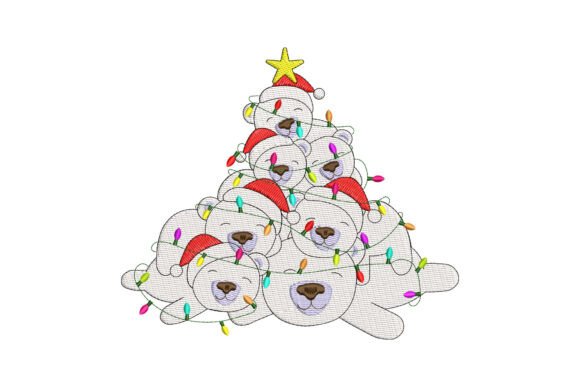
Strategic Branding with the Polar Bear Christmas Tree Embroidery Design
In the competitive landscape of custom apparel and home decor, the difference between a forgettable product and a bestseller often lies in the nuance of design execution. The Polar Bear Christmas Tree embroidery motif represents more than just a seasonal graphic; it is a strategic asset for creators aiming to capture the intersection of whimsy, warmth, and high-quality craftsmanship. For entrepreneurs, hobbyists, and small business owners, integrating this specific design into your product line requires a thoughtful approach to positioning and production. It is not merely about stitching a pattern onto fabric; it is about leveraging a visually compelling asset to enhance brand identity, drive engagement, and deliver tangible value to your audience.
This premium embroidery design offers a unique blend of playful imagery and technical precision. By understanding the underlying mechanics of how such a design functions across various mediums, you can make informed decisions that elevate your projects from standard offerings to standout pieces. Whether you are scaling a handmade business or looking to add a personal touch to corporate gifting, the Polar Bear Christmas Tree serves as a versatile tool in your creative arsenal.
Aligning Design Choice with Business Goals
Before digitizing a single stitch, it is crucial to ask why this specific design aligns with your current objectives. The Polar Bear Christmas Tree evokes a specific emotional response: nostalgia, comfort, and gentle humor. These are powerful drivers in consumer behavior, particularly during the holiday season. When you choose this design, you are not just selling an embroidered item; you are selling a feeling. This distinction is vital for effective marketing and branding.
Consider your target demographic. Adults aged 20–50, who often constitute the primary buyers of premium handmade goods, are increasingly drawn to products that tell a story or offer a sense of curated authenticity. A generic snowflake might blend into the background noise of December retail, but a polar bear interacting with a Christmas tree suggests narrative and charm. This subtle differentiation can improve click-through rates on social media ads and increase conversion rates on e-commerce platforms. The design acts as a hook, drawing the eye and inviting closer inspection, which provides you with the opportunity to communicate your brand’s value proposition.
Furthermore, the versatility of this design allows for strategic inventory planning. Because it appeals to both children and adults, it reduces the risk of niche saturation. You can position it as a family-friendly gift, a quirky addition to adult loungewear, or a charming element in home textiles. This breadth of appeal supports better inventory turnover and minimizes the risk of unsold stock, a common pitfall for small businesses relying on highly specific seasonal trends.
Technical Versatility and Production Efficiency
One of the most significant advantages of the Polar Bear Christmas Tree design is its technical adaptability. Premium embroidery files are engineered to perform consistently across a range of machines and fabrics. For professionals and serious hobbyists, this reliability translates directly into operational efficiency. Time spent troubleshooting thread breaks, adjusting tension, or re-hooping due to poor digitization is time lost from revenue-generating activities.
This design comes with multiple file formats, ensuring compatibility with major embroidery machine brands. This universal compatibility is a critical factor in decision-making for businesses that may upgrade equipment or operate multiple machines simultaneously. It eliminates the friction of format conversion, which can sometimes degrade stitch quality. By using a design that is optimized for various systems, you maintain consistent quality control, which is essential for building customer trust and repeat business.
The suitability for both beginners and experts also speaks to its scalable utility. For those new to machine embroidery, a well-digitized design reduces the learning curve, allowing for quicker mastery of basic techniques. For experienced embroiderers, it offers a clean canvas for experimentation with threads, fabrics, and embellishments. This dual accessibility means that teams with varying skill levels can produce uniform results, simplifying training and workflow management in larger operations.
Strategic Applications Across Product Lines
To maximize the return on investment for this design, consider its application across diverse product categories. The Polar Bear Christmas Tree is not limited to traditional t-shirts. Its aesthetic lends itself to a variety of high-margin items that can diversify your revenue streams.
- Apparel: Beyond standard cotton tees, consider applying this design to premium fleece jackets, knit sweaters, or even structured denim. The contrast between the soft, whimsical design and rugged fabrics can create a sophisticated, high-end look.
- Linens and Home Decor: Pillowcases, table runners, and kitchen towels featuring this motif can transform ordinary household items into seasonal treasures. Home decor often commands higher price points than apparel, improving your average order value.
- Accessories: Tote bags, beanies, and scarves are excellent carriers for this design. These items often serve as impulse buys or add-on products during checkout, boosting overall sales volume.
- Corporate Gifting: For B2B clients, this design offers a festive yet professional option for employee gifts or client appreciation packages. It strikes a balance between holiday cheer and brand appropriateness.
When planning these applications, consider the size and placement of the embroidery. A smaller chest placement on a sweater suggests subtlety and elegance, while a large back print on a hoodie makes a bold statement. Testing different placements on sample garments can provide valuable data on customer preferences, allowing you to refine your product mix based on actual performance rather than assumption.
Risk Management and Quality Control
While the Polar Bear Christmas Tree is a robust design, relying on any single asset without a broader strategy carries risks. One common mistake is over-saturation. If every item in your store features the same motif, you may dilute its impact and limit your appeal to customers seeking variety. To mitigate this, integrate this design as part of a cohesive collection rather than the sole focus of your seasonal lineup. Pair it with complementary patterns, colors, and text-based designs to create a holistic brand experience.
Another risk involves fabric selection. Even the best-digitized design can fail if applied to incompatible materials. For instance, highly stretchy fabrics may require stabilizers that differ from those used on woven cottons. Failing to account for these material differences can result in puckering, distortion, or thread breakage, leading to increased waste and customer returns. Always conduct thorough testing on each new fabric type before full-scale production. This proactive approach protects your reputation and ensures that the final product meets the high standards expected by discerning buyers.
Additionally, be mindful of copyright and licensing terms. Using premium designs responsibly means adhering to the creator’s guidelines regarding commercial use. Ensuring compliance not only avoids legal issues but also supports the ecosystem of designers who create these valuable resources. Ethical sourcing and usage are increasingly important to consumers, who often prefer to buy from businesses that demonstrate integrity and respect for intellectual property.
Long-Term Value and Brand Building
The true power of the Polar Bear Christmas Tree lies in its ability to contribute to long-term brand equity. Consistent use of high-quality, distinctive designs helps establish a recognizable visual identity. Over time, customers begin to associate your brand with reliability, creativity, and attention to detail. This association fosters loyalty, encouraging repeat purchases and word-of-mouth referrals.
Moreover, the data gathered from selling products featuring this design can inform future decisions. Which colors sold best? Which product types had the highest return rates? What feedback did customers provide regarding size and placement? These insights are invaluable for refining your product development process and making more informed choices in subsequent seasons. By treating each design launch as a learning opportunity, you build a knowledge base that drives continuous improvement and sustainable growth.
In conclusion, the Polar Bear Christmas Tree embroidery design is more than a decorative element; it is a strategic tool for enhancing product appeal, optimizing production, and strengthening brand identity. By approaching its use with intentionality, considering technical requirements, and aligning it with broader business goals, you can leverage this asset to achieve meaningful results. Whether you are a seasoned entrepreneur or a passionate hobbyist, the key to success lies in thoughtful execution and a commitment to quality. Embrace the versatility of this design, experiment with its applications, and let it serve as a cornerstone of your creative and commercial strategy.