Butterfly Design: Transforming Digital Typography with Whimsical Visual Elements
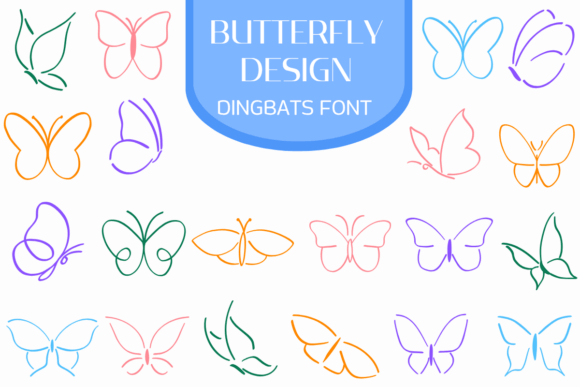
In the expansive world of digital typography, standard alphanumeric characters often serve a purely functional role. They convey information, structure arguments, and label interfaces. However, there exists a niche yet profoundly impactful category of typefaces that bridge the gap between text and illustration. Butterfly Design stands out in this realm as a delightful dingbats font filled with elegant and whimsical butterfly illustrations. Unlike traditional fonts that rely on serif or sans-serif structures to convey tone, this unique typeface allows designers to inject immediate visual interest into their projects by simply typing a letter. The result is a beautifully crafted butterfly graphic that appears instantly, offering a seamless blend of utility and artistry.
The appeal of such specialized fonts lies in their ability to simplify complex design workflows. For professionals who may not have extensive illustration skills, accessing high-quality vector-style graphics through a keyboard interface is revolutionary. With a variety of styles ranging from minimal outlines to decorative, filled silhouettes, Butterfly Design caters to a broad spectrum of aesthetic needs. It is particularly effective for spring-themed projects, nature-inspired designs, scrapbooking, and feminine branding, where softness and organic shapes are paramount. By understanding the mechanics and applications of this tool, creators can elevate their visual communication without the overhead of sourcing individual image files.
The Mechanics of Dingbat Typography
To fully appreciate the utility of Butterfly Design, one must understand the underlying technology of dingbat fonts. Historically, dingbats were ornamental printers' decorations used to fill space or separate sections of text. In the digital age, these have evolved into sophisticated symbol fonts. Each key on the keyboard is mapped not to a letterform, but to a specific glyph—in this case, a butterfly. This mapping allows for rapid iteration. A designer can type a sequence of characters to create a border, a background pattern, or a focal point without leaving their word processor or design software.
The versatility of Butterfly Design is rooted in its diverse character set. While some dingbat fonts offer a single style, this particular collection provides a variety of styles from minimal to decorative. This range ensures that the font remains relevant across different design contexts. A minimal outline butterfly might be perfect for a subtle watermark on a corporate brochure, while a highly decorative, detailed butterfly could serve as the centerpiece of a wedding invitation. The ability to switch between these styles by simply changing the typed character offers a level of flexibility that static image libraries cannot match.
Practical Applications in Professional Design
For graphic designers and brand strategists, the integration of thematic elements is crucial for establishing identity. Butterfly Design is exceptionally well-suited for industries that prioritize aesthetics and emotional connection. In the realm of feminine branding, for example, the imagery of butterflies conveys transformation, grace, and beauty. These are powerful semiotic tools that can help a brand communicate its values without relying solely on color palettes or taglines. By incorporating these glyphs into logos, business cards, and packaging, businesses can create a cohesive visual language that resonates with their target audience.
Moreover, the font excels in editorial design. Magazines and blogs focusing on lifestyle, gardening, or wellness can use Butterfly Design to break up text blocks and add visual rhythm to long-form content. Instead of inserting generic stock photos, editors can use the font to create custom dividers or drop caps. This approach maintains the typographic integrity of the page while adding a layer of bespoke decoration. The scalability of vector-based fonts means that these elements remain crisp at any size, from a tiny footnote marker to a large header graphic.
Enhancing Educational and Creative Materials
Beyond commercial applications, Butterfly Design holds significant value in educational and hobbyist contexts. Educators teaching biology or environmental science can use the font to create engaging worksheets and presentations. The immediate availability of butterfly illustrations allows for the quick creation of diagrams showing life cycles or species variation. For students, interacting with these visual elements can make learning more interactive and memorable. The simplicity of typing a letter to generate an image lowers the barrier to entry for creating visually appealing educational materials.
Similarly, in the world of scrapbooking and personal crafts, the font offers endless possibilities. Hobbyists can print out pages of butterfly glyphs in various sizes and colors to embellish journals, greeting cards, and photo albums. The whimsical nature of the illustrations adds a personal touch that mass-produced stickers often lack. Furthermore, because the font is digital, users can experiment with color gradients, shadows, and rotations using standard design software, allowing for a high degree of customization that physical craft supplies cannot easily replicate.
Strategic Implementation for Maximum Impact
While Butterfly Design is user-friendly, achieving professional results requires strategic implementation. One common mistake is overuse. Because the glyphs are visually striking, cluttering a design with too many butterflies can dilute their impact and create visual noise. Effective design relies on balance and white space. Designers should use the font sparingly, employing it as an accent rather than the primary structural element. For instance, a single large butterfly might anchor a poster, while smaller, scattered glyphs could provide texture in the background.
Color theory also plays a critical role in maximizing the effectiveness of these illustrations. Butterflies are naturally associated with vibrant, varied hues. However, in a professional context, sticking to a limited color palette often yields more sophisticated results. Using monochromatic schemes or complementary colors can help the butterfly graphics integrate seamlessly with the overall design. Additionally, considering the contrast between the glyph and the background is essential for readability and visual appeal. A dark butterfly on a light background creates a strong silhouette, while a pastel butterfly on a white background offers a softer, more ethereal feel.
- Consistency: Stick to one or two styles within the font family to maintain visual coherence.
- Scale: Vary the size of the butterflies to create depth and hierarchy in the composition.
- Alignment: Use grid systems to align the glyphs precisely, ensuring a polished and professional look.
- Context: Ensure the whimsical nature of the font aligns with the tone of the project; it may not be suitable for serious legal or financial documents.
The Role of Nature-Inspired Design Trends
The popularity of Butterfly Design is part of a broader trend towards nature-inspired aesthetics in digital media. As society becomes increasingly aware of environmental issues, there is a growing desire to connect with the natural world through design. Biophilic design principles, which seek to increase occupant connectivity to the natural environment, are being applied to digital spaces. Fonts like Butterfly Design facilitate this connection by bringing organic forms into the rigid structure of digital interfaces. This trend is not merely aesthetic; it reflects a cultural shift towards sustainability and mindfulness.
Furthermore, the psychological impact of such imagery should not be underestimated. Butterflies are universally recognized symbols of hope, change, and resilience. Incorporating these symbols into design can evoke positive emotional responses from viewers. In marketing, this emotional connection can translate into higher engagement and brand loyalty. For therapists and counselors, materials featuring these calming, natural images can help create a soothing environment for clients. Thus, the utility of Butterfly Design extends beyond mere decoration, touching on the psychological and emotional dimensions of visual communication.
Technical Considerations and Compatibility
From a technical standpoint, using Butterfly Design requires attention to file formats and software compatibility. Most modern design applications support OpenType and TrueType fonts, ensuring that the glyphs render correctly across different platforms. However, when sharing files with clients or collaborators, it is important to embed the font or outline the text to prevent substitution errors. If the recipient does not have the font installed, the butterflies may revert to standard letters, disrupting the design intent. Therefore, best practices dictate exporting final designs as PDFs or images when the font is not guaranteed to be present on the receiving end.
Additionally, web developers interested in using Butterfly Design for online projects must consider web font licensing and loading times. Converting the font to web-friendly formats like WOFF2 can optimize performance. CSS styling can then be used to animate the butterflies, adding an interactive layer to the user experience. For example, a butterfly glyph could flutter across the screen on hover, enhancing user engagement. This dynamic application showcases the potential of dingbat fonts to evolve from static decorations to interactive design elements.
In conclusion, Butterfly Design represents a fusion of artistic expression and technological convenience. By transforming simple keystrokes into elegant illustrations, it empowers creators across various fields to enhance their work with minimal effort. Whether used for branding, education, or personal projects, the font offers a versatile toolkit for adding whimsy and elegance to digital and print media. As design trends continue to embrace natural motifs and personalized touches, tools like Butterfly Design will remain invaluable assets for those seeking to communicate with clarity, beauty, and impact.