Dancing Christmas Trees: A Guide to Joyful Holiday Embroidery
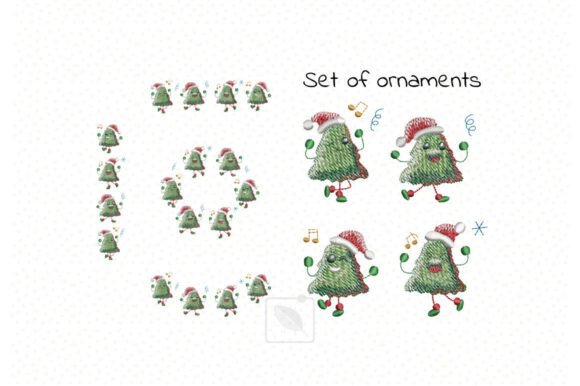
The holiday season is defined by warmth, connection, and the subtle magic that transforms ordinary moments into cherished memories. Few designs capture this spirit as effectively as Dancing Christmas Trees. Imagine four adorable cartoon pine trees, each donning a bright red Santa hat, happily dancing together. Their playful poses and smiling faces are not just cute; they are engineered to spread the magic of Christmas cheer. For embroiderers, this design offers more than just aesthetic appeal; it provides a versatile toolkit for creating a cozy, heartwarming holiday mood across a wide variety of projects.
However, working with multi-element embroidery designs requires more than just hitting "start" on your machine. Many crafters, from beginners to seasoned professionals, overlook the technical nuances that can make or break a project. Understanding how to properly utilize the Dancing Christmas Trees set ensures that your final product looks professional, holds up to wear, and truly captures the intended festive sparkle.
Understanding the Versatility of the Design Set
One of the most significant advantages of this specific collection is its modular nature. Unlike static, single-image files, this design includes several composition options for your creative flexibility. You have access to each tree separately, allowing for small projects and accent stitching where space is limited. Additionally, the set includes a horizontal border fragment ideal for towels, table runners, and hems, as well as a vertical border fragment perfect for aprons, pillow edges, and gift bags. There is also a curved horizontal ornament for lovely arched compositions and home décor, plus a circular ornament for centered motifs and festive embroidery hoops.
This variety gives you the freedom to use the design in multiple ways, from delicate mini-motifs to full decorative compositions. Yet, a common mistake is treating these elements as interchangeable without considering scale and density. Using a border fragment meant for a heavy towel on a delicate silk blouse, for example, can result in puckering and fabric distortion. Always match the element to the weight and purpose of the textile.
Common Pitfalls in Hooping and Stabilization
When working with character-based designs like the Dancing Christmas Trees, alignment is critical. A frequent error occurs when users attempt to stitch multiple trees in a row without proper hooping strategy. If you are using the separate tree elements to create a custom scene, failing to mark your hoop accurately can lead to uneven spacing or overlapping stitches. This ruins the visual rhythm of the "dance" and makes the composition look cluttered rather than cheerful.
To avoid this, use water-soluble stabilizer with printed grid lines or invest in a magnetic hoop system that allows for precise repositioning. For the border fragments, ensure your fabric is drum-tight. Loose fabric causes the satin stitches in the Santa hats and tree outlines to pull, distorting the smiling faces that are central to the design’s charm. Remember, the goal is to spread happiness, and distorted features rarely achieve that effect.
Thread Selection and Color Harmony
Another overlooked detail is thread choice. The vibrant red of the Santa hats and the various greens of the pine trees require high-quality rayon or polyester threads to maintain their luster. Beginners often use older, brittle thread or cheap alternatives that break frequently or lack vibrancy. This not only increases frustration during the stitching process but also results in a finished piece that looks dull after washing.
Furthermore, consider the background fabric color. While white or cream linens are traditional, stitching light green trees on a pale yellow fabric may lack sufficient contrast. Test your thread colors against your fabric before committing to a large project like a table runner. The Dancing Christmas Trees symbolize joy and friendship, and clear, bold colors help communicate that message effectively. If you are stitching on dark fabrics, ensure you use a contrasting underlay or a lighter topstitch thread for details to prevent them from getting lost.
Strategic Application for Different Projects
It is essential to choose the right component of the set for the right item. A common misunderstanding is assuming that the circular ornament is only for hoops. In reality, this element is excellent for centered motifs on pillows or even as a patch for denim jackets. However, stitching it on a high-wear area without proper reinforcement can lead to premature wear.
For children’s clothes, which undergo frequent washing and rough play, use the smaller, separate tree motifs rather than the dense border fragments. The smaller designs have less stitch density, making them softer against sensitive skin and less likely to cause irritation. Conversely, for home décor items like throw pillows or wall hangings, you can maximize the impact by combining the vertical and horizontal borders to frame the central dancing group. This creates a cohesive, framed look that elevates the piece from a simple craft to a decorative art object.
Checking File Compatibility and Quality
Before purchasing or downloading any machine embroidery design, including Dancing Christmas Trees, verify the file formats. Ensure the package includes the specific format required by your machine brand, whether it is PES, JEF, DST, or EXP. Using a converted file can sometimes result in lost trim commands or altered stitch paths, which may cause thread nests or jumps in the design.
Additionally, check the stitch count and dimensions. A design that looks perfect on screen might be too large for a 4x4 hoop or too small for a 5x7 hoop. Review the included color chart and stitch-out preview if available. This pre-check saves time, thread, and fabric, preventing the disappointment of starting a project only to realize it doesn’t fit your intended application.
Maximizing Emotional Impact Through Craft
Ultimately, the value of this design lies in its ability to evoke emotion. The playful poses and smiling faces are designed to bring smiles and holiday magic to everyone who sees them. To maximize this effect, pay attention to placement. Stitching a single dancing tree on the cuff of a sleeve or the corner of a napkin adds a surprising and delightful detail that guests will notice. It transforms everyday items into conversation starters.
Whether you are decorating festive textiles, table linens, or handmade gifts, these cheerful trees serve as a heartwarming accent. They remind us of the spirit of togetherness that defines the holiday season. By avoiding common technical mistakes and thoughtfully selecting the right elements for each project, you ensure that your creations not only look beautiful but also endure as cherished keepsakes. Let the Dancing Christmas Trees bring warmth, happiness, and festive sparkle to your holiday crafting, turning simple stitches into lasting memories.