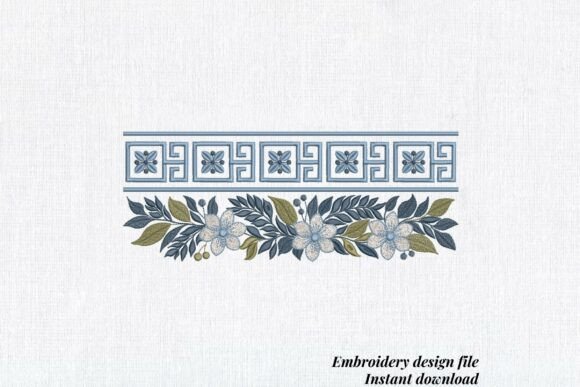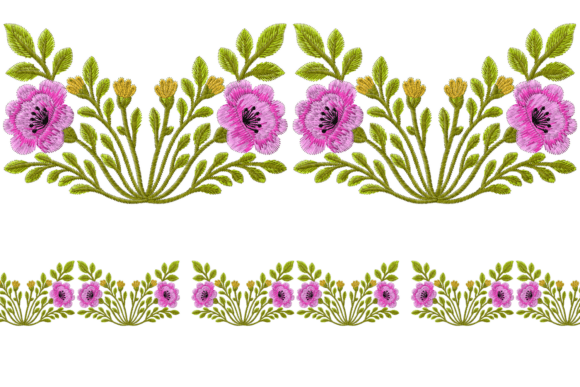
Floral Embroidery Borders Motifs
There is a distinct satisfaction in watching a plain piece of fabric transform into something cherished through the addition of stitched detail. Floral Embroidery Borders Motifs serve as the architectural framework for this transformation, offering structured elegance that frames your work with precision. Unlike free-form stitching, which requires significant planning and spatial awareness, pre-designed borders provide a ready-made solution for adding sophistication to textiles. These designs bridge the gap between traditional hand-embroidery aesthetics and modern digital efficiency, allowing creators to achieve consistent, high-quality results across various projects.
The appeal of these motifs lies in their versatility. Whether you are working with delicate linens or sturdy canvas, the intricate flower patterns and ornamental designs adapt to the medium. For many, the decision to incorporate digital embroidery files is not just about saving time; it is about accessing a level of intricacy that might be difficult to replicate manually without years of practice. This collection focuses on clean, professional digitization, ensuring that every stitch lands exactly where it should, reducing thread breaks and maximizing the visual impact of the final piece.
Why Design Quality Matters in Digital Embroidery
Not all embroidery files are created equal. The difference between a amateurish result and a professional finish often comes down to how the design was digitized. Professionally digitized files account for fabric pull, stitch density, and underlay structures. When you choose high-quality Floral Embroidery Borders Motifs, you are selecting designs that have been tested for stability and aesthetic balance. This is crucial for maintaining the integrity of the fabric, especially when working with lighter materials like silk or cotton voile used in heirloom projects.
Clean and consistent results are not merely a luxury; they are a necessity for anyone looking to build a reputation for quality. Poorly digitized files can lead to puckering, thread nests, and distorted shapes, which can ruin hours of work. By utilizing files that are optimized for most embroidery machines, creators can focus on the creative aspects of their project—such as thread color selection and fabric choice—rather than troubleshooting technical errors.
Perspectives from Different Creators
The value of floral border motifs shifts depending on who is holding the hoop. Understanding these different perspectives can help you determine how best to utilize these resources in your own workflow.
For the Beginner Hobbyist
If you are new to machine embroidery, the learning curve can feel steep. Beginners often struggle with hooping techniques and tension settings. Using pre-made borders removes the complexity of designing the layout from scratch. For this group, the priority is ease of use and reliability. A well-digitized floral border allows a novice to produce a gift that looks professionally made, boosting confidence and encouraging further exploration of the craft. Projects like simple towel hems or pillowcases become manageable milestones rather than daunting challenges.
For the Small Business Owner
Entrepreneurs and small business owners operate under different constraints. Time is money, and consistency is brand identity. For these users, commercial value and speed are paramount. Floral embroidery borders allow for the rapid production of standardized items such as table runners, curtains, and boutique clothing. Because these motifs are designed for commercial use, business owners can integrate them into their product lines without worrying about licensing issues. The ability to offer customized, high-end looking products with minimal setup time provides a competitive edge in markets saturated with mass-produced goods.
For the Educator and Mentor
Teachers and workshop leaders need resources that are predictable and educational. When teaching students about composition and balance, floral borders serve as excellent examples of repetitive pattern and symmetry. Educators value learning value and flexibility. These motifs can be used to demonstrate how different thread weights change the appearance of a design or how placement affects the overall look of a garment. They provide a safe, controlled environment for students to practice advanced techniques like multi-color changes and complex stabilizer usage.
For the Heirloom Specialist
Those focused on preservation and legacy pieces prioritize quality and timelessness. Heirloom sewing often involves delicate fabrics and intricate details that must withstand generations of use and washing. For this audience, the ornamental nature of floral motifs adds a layer of historical authenticity. The precision of machine embroidery, when done correctly, can mimic the fine detail of hand stitching while offering greater durability. These specialists look for designs that complement traditional techniques, such as lace insertion or pintucking, enhancing the narrative of the piece without overpowering it.
Practical Applications Across Textiles
The utility of Floral Embroidery Borders Motifs extends far beyond simple decoration. Here is how different applications can benefit from these designs:
- Clothing: Add subtle elegance to cuffs, collars, and hemlines. A narrow floral border can turn a basic linen shirt into a bespoke item.
- Linens and Tableware: Frame table runners and napkins with continuous border designs. This creates a cohesive look for dining sets and elevates everyday meals.
- Home Decor: Use larger, more ornate motifs on curtains and pillowcases. These areas provide ample space for detailed stitching that can serve as a focal point in a room.
- Accessories: Embellish bags and totes with sturdy, dense floral patterns. The added texture not only looks appealing but can also reinforce high-wear areas.
Each application requires a slightly different approach to stabilization and thread choice. For example, towels require cut-away stabilizers to handle the looped texture, while silk scarves may need temporary spray adhesives and water-soluble stabilizers to prevent damage. Understanding these nuances ensures that the beauty of the floral motif is preserved in the final product.
Evaluating Fit for Your Project
Before downloading or purchasing any embroidery file, consider the specific requirements of your current project. Ask yourself the following questions:
- What is the fabric weight? Heavy denim requires different stitch density than lightweight chiffon. Ensure the motif is scalable or available in sizes appropriate for your material.
- What is the intended use? Items that will be washed frequently need durable stitching and secure underlays. Decorative wall hangings can afford more delicate, open designs.
- What is your machine’s capability? While these files work with most machines, check the hoop size requirements. Some intricate borders may require larger hoops or multi-positioning techniques.
- What is your skill level? If you are still mastering tension, start with simpler floral patterns before moving to highly detailed ornamental designs.
By aligning the characteristics of the Floral Embroidery Borders Motifs with your specific needs, you ensure a smoother creative process and a more satisfying outcome. Whether you are creating modern handmade gifts or embellishing family heirlooms, these designs offer a pathway to elevated craftsmanship. They represent a blend of artistic vision and technical precision, allowing you to infuse your fabric projects with a touch of enduring style.
Ultimately, the choice to use digital embroidery borders is about empowering your creativity. It removes technical barriers, allowing you to focus on the joy of creation. From the first stitch to the final trim, these motifs provide the structure needed to bring your textile visions to life with elegance and professionalism.