Integrating Vintage Festive String Lights Embroidery Design into Your Creative Workflow
In the realm of digital embroidery and textile design, selecting the right motif is often the most critical decision in a project’s lifecycle. The Vintage Festive String Lights Embroidery Design represents more than just a decorative element; it is a versatile asset that bridges the gap between seasonal trends and timeless aesthetic appeal. For creators, small business owners, and hobbyists, understanding how to effectively integrate this specific design into broader production workflows can significantly enhance both efficiency and final product quality. This article explores the practical application of this charming motif, focusing on its implementation across various mediums and its role in a structured creative process.
Understanding the Design Asset
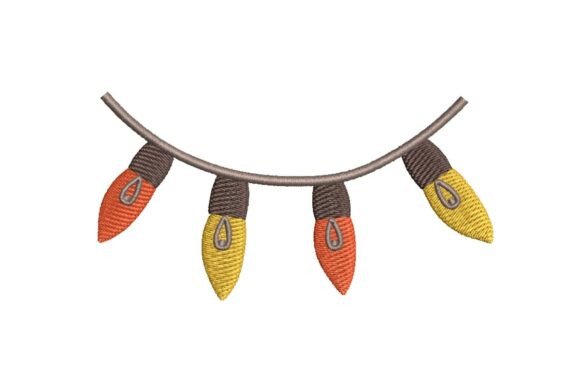
Before diving into execution, it is essential to analyze what makes this particular design effective. The Vintage Festive String Lights Embroidery Design features four teardrop-shaped bulbs rendered in warm shades of orange and yellow. These colors are not arbitrary; they are chosen to evoke a sense of nostalgia and warmth, crucial for engaging audiences during the autumn and winter seasons. The gracefully curved string provides a natural flow that guides the viewer’s eye, making it an ideal candidate for placement on curved surfaces or as a border element.
The high-quality, textured stitching is a defining characteristic. In digital embroidery files, texture is simulated through stitch density and direction. This design leverages those technical aspects to create a handcrafted feel that stands out, particularly against dark backgrounds. For professionals, this means the design requires careful consideration of fabric choice and thread selection to maintain its intended visual impact. It is not merely a graphic to be printed but a tactile experience to be stitched, requiring a mindset that prioritizes material compatibility and structural integrity.
Pre-Production Planning and Compatibility
Successful integration begins long before the needle hits the fabric. During the planning phase, creators must assess where the Vintage Festive String Lights Embroidery Design fits within their current project pipeline. Whether you are designing Christmas stockings, custom sweaters, or autumn-themed home decor, the preparation stage involves evaluating the substrate.
- Fabric Selection: The design’s warm tones pop best on dark fabrics such as navy, charcoal, or deep forest green. Lighter fabrics may require additional stabilizers or backing to prevent show-through and ensure the vibrant orange and yellow hues remain distinct.
- Stabilizer Choice: Given the textured nature of the stitching, using a cut-away stabilizer is often recommended for stretchy materials like sweater knits. For woven fabrics used in stockings or table runners, a tear-away stabilizer may suffice, provided the stitch density is managed correctly to avoid puckering.
- Hooping Strategy: The curved string element requires precise hooping to ensure the design remains centered and aligned. Misalignment can disrupt the graceful arc, diminishing the professional look of the final piece.
This preparatory work ensures that when you move to the execution phase, you are not troubleshooting basic compatibility issues but rather focusing on refinement and quality control.
Implementation Across Different Projects
The versatility of this design allows it to serve multiple functions within a creator’s portfolio. Its application varies depending on the end goal, whether it is a personal hobby project or a commercial product line.
Seasonal Apparel and Accessories
For fashion-focused creators, incorporating the Vintage Festive String Lights Embroidery Design into apparel requires attention to scale and placement. On sweaters, the design works well as a chest pocket accent or along the hemline. The warm glowing ambiance it provides complements the cozy nature of knitwear. When working with clients, present mockups that show the design on different garment types to help them visualize the outcome. This reduces revision cycles and aligns expectations early in the workflow.
Home Decor and Festive Goods
In the home decor sector, this design shines on items like throw pillows, table runners, and wall hangings. The vintage aesthetic pairs exceptionally well with rustic or farmhouse-style interiors. For entrepreneurs selling festive home goods, this design can be part of a coordinated collection. By pairing it with complementary motifs—such as pinecones or holly—you create a cohesive product line that encourages bundle purchases. The consistency in style across different products strengthens brand identity and enhances perceived value.
Party Decorations and Event Styling
Beyond permanent goods, the design is suitable for temporary event decorations. Embroidered banners or napkin rings featuring the string lights can add a touch of elegance to holiday parties. Here, speed and efficiency are key. Using pre-digitized, high-quality files allows for rapid production runs. Ensure that your machine settings are optimized for speed without sacrificing stitch quality, allowing you to meet tight deadlines for event-based orders.
Workflow Integration and Efficiency
To maximize the utility of the Vintage Festive String Lights Embroidery Design, it should be integrated into a standardized workflow. This involves organizing your digital assets, maintaining consistent quality control, and leveraging technology for better outcomes.
- Asset Management: Store the design file in a clearly labeled folder structure. Include metadata such as stitch count, recommended needle size, and thread colors. This saves time when retrieving the file for future projects and ensures consistency across different production runs.
- Test Stitching: Always perform a test stitch on a scrap piece of the actual fabric you intend to use. This step is non-negotiable for professional results. It allows you to check for tension issues, thread breaks, or registration errors before committing to the final product.
- Quality Control Checks: After embroidery, inspect the back of the design for loose threads or excessive buildup. Trim carefully and press if necessary. A clean finish is what separates amateur work from professional-grade products.
By treating the design as a component in a larger system, you reduce waste and increase throughput. This is particularly important for small business owners who need to balance creative output with operational efficiency.
Long-Term Value and Adaptability
One of the strengths of the Vintage Festive String Lights Embroidery Design is its longevity. Unlike trendy graphics that may feel dated after a single season, the vintage aesthetic has enduring appeal. This makes it a valuable addition to your permanent library of designs. You can revisit it year after year, perhaps tweaking thread colors slightly to match evolving color palettes while keeping the core design intact.
Furthermore, this design serves as an excellent educational tool for those learning about digitizing or embroidery techniques. Analyzing how the texture is achieved through stitch patterns can provide insights into advanced digitizing methods. For educators and mentors, using this design in workshops can help students understand the relationship between color theory, stitch density, and fabric interaction.
Conclusion
The Vintage Festive String Lights Embroidery Design is more than a decorative motif; it is a strategic asset for creators looking to enhance their seasonal offerings. By understanding its technical requirements, planning for compatibility, and integrating it into a streamlined workflow, you can produce high-quality, appealing products that resonate with your audience. Whether you are crafting personalized gifts or building a commercial brand, this design offers the flexibility and charm needed to succeed in a competitive market. Focus on precision, consistency, and thoughtful application to unlock its full potential in your creative endeavors.