Ivory Bloom Ladder: Elevating Your Embroidery Projects with Grace and Precision
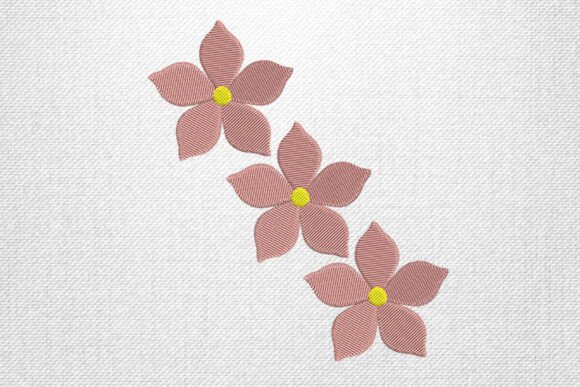
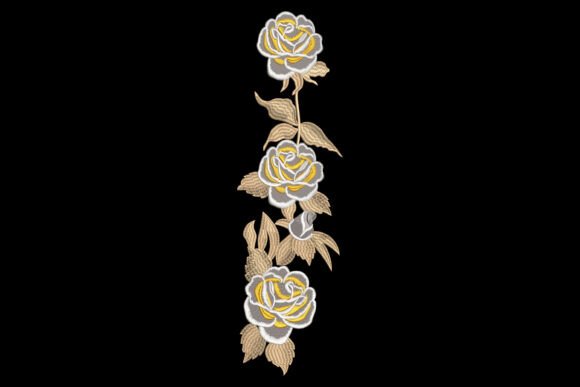
When you first encounter the Ivory Bloom Ladder, it is easy to be captivated by its visual symmetry. The design features delicate ivory flowers arranged along a graceful, ladder-like vine, creating a motif that speaks to both structure and organic beauty. For many creators, this piece represents more than just a pattern; it is a symbol of growth and timeless refinement. However, translating this digital elegance into physical thread requires more than simply loading a file into your machine. Many enthusiasts rush into stitching without considering the nuances of fabric choice, stabilizer selection, or hoop placement, leading to results that fall short of the design’s potential.
Understanding the intricacies of this embroidery design can save you time, materials, and frustration. Whether you are embellishing high-end linens, crafting bespoke garments, or creating decorative home accents, avoiding common pitfalls ensures that the final product reflects the sophisticated floral charm intended by the designer.
The Misconception of "Plug-and-Play" Simplicity
One of the most frequent misunderstandings among beginners and even some seasoned hobbyists is that machine embroidery designs are universally compatible and ready to stitch on any material. The Ivory Bloom Ladder is no exception. While it comes in multiple file formats suitable for various machines, assuming it will look identical on denim as it does on silk is a costly error.
This design relies heavily on fine details and soft tones. If you attempt to stitch it on a heavy, textured fabric without proper stabilization, the delicate petals may pucker or lose their definition. The "ladder" aspect of the vine requires precise alignment; if the fabric shifts even slightly during the stitching process, the geometric balance is disrupted, turning an elegant motif into a distorted mess. To avoid this, always test your design on a scrap piece of the exact fabric you intend to use. This simple step allows you to adjust tension and stabilizer type before committing to your final project.
Overlooking Stabilizer Selection
A critical yet often overlooked detail is the choice of stabilizer. Because the Ivory Bloom Ladder Embroidery features intricate details and a linear structure, it requires a stabilizer that provides firm support without adding unnecessary bulk. Using a cut-away stabilizer on a lightweight linen might seem like a safe bet for durability, but it can make the finished piece feel stiff and unnatural, detracting from the soft, airy aesthetic of the ivory flowers.
Conversely, using a tear-away stabilizer on a stretchy knit fabric can lead to distortion as the fabric rebounds after the hoop is removed. For best results, consider using a medium-weight cut-away for stable woven fabrics where longevity is key, or a high-quality wash-away stabilizer for sheer or delicate materials where no residue should remain. The right stabilizer acts as the foundation, ensuring that each stitch lands precisely where it should, preserving the graceful flow of the vine.
Neglecting Thread Quality and Color Nuance
The beauty of this design lies in its subtle color palette. The term "ivory" suggests a range of off-white, cream, and soft beige tones rather than a stark, bright white. A common mistake is using standard white polyester thread for all elements. This can flatten the design, removing the depth and dimension that the layered petals and vines are meant to convey.
To achieve the intended sophisticated look, invest in high-quality rayon or cotton threads that offer a slight sheen and varied tonal ranges. Consider using two or three slightly different shades of ivory or cream to differentiate between the flowers and the vine. This technique adds visual interest and highlights the intricate stitching details. Additionally, ensure your needle is appropriate for the thread type; a universal needle may shred delicate rayon threads, causing breaks and uneven stitching that mar the final presentation.
Hoop Placement and Design Scaling
Another area where creators often stumble is in the scaling and placement of the design. The Ivory Bloom Ladder is designed with a specific vertical flow. Resizing it disproportionately can distort the aspect ratio, making the flowers appear squashed or the vines too stretched. Always maintain the original aspect ratio when adjusting the size to fit your project.
Furthermore, placement is crucial. If you are embroidering on a garment, such as a cuff or collar, ensure the design is centered and aligned with the grain of the fabric. Off-center stitching can make even the most beautiful design look amateurish. Use water-soluble markers or temporary spray adhesives to secure the fabric in the hoop and mark your placement points accurately. Taking an extra five minutes to measure twice can prevent the disappointment of having to unpick hours of work.
Choosing the Right File Format
While the design comes in multiple file formats, not all formats are created equal for every machine. Some older embroidery machines may struggle with certain complex stitch types or color changes encoded in specific file types. Before purchasing or downloading, verify which formats are compatible with your specific model. Common formats include PES, DST, JEF, and EXP. If you are unsure, consult your machine’s manual or contact the manufacturer.
Using an incompatible format can lead to skipped stitches, thread breaks, or even machine errors. If you have access to embroidery software, consider opening the file to preview the stitch order and color changes. This allows you to make any necessary adjustments before sending the file to your machine, ensuring a smoother stitching process.
Final Thoughts on Execution
The Ivory Bloom Ladder is a testament to the beauty of detailed machine embroidery. By paying attention to fabric preparation, stabilizer choice, thread quality, and precise placement, you can transform this digital design into a tangible work of art. Avoid the temptation to rush; instead, approach each project with patience and precision. The result will be a piece that not only showcases your technical skill but also embodies the elegance and refinement that makes this design so appealing. Whether you are a small business owner looking to add value to your products or a hobbyist seeking to elevate your craft, mastering these details will ensure your creations stand out for all the right reasons.