Magnolia Typeface: Evaluating Its Fit for Holiday Design Projects
When selecting typography for seasonal campaigns, designers often face a dilemma between legibility and atmosphere. Magnolia emerges as a distinct option in this space, positioning itself not merely as a font but as a thematic tool designed to capture the spirit of the holiday season. Unlike standard sans-serif or serif families that prioritize neutrality, Magnolia leans heavily into decorative elements and whimsical flair. This approach makes it particularly suitable for projects where emotional resonance outweighs strict informational density.
For professionals evaluating resources for greeting cards, gift tags, and festive branding, understanding the specific characteristics of Magnolia is essential. It offers a cheerful and nostalgic ambiance, but its utility depends heavily on context. This analysis explores what makes Magnolia unique, how it compares to other decorative styles, and when it serves as the optimal choice versus when alternative approaches may yield better results.
Defining the Aesthetic and Technical Profile
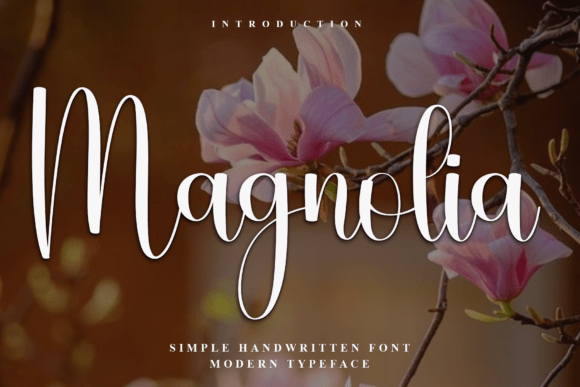
Magnolia is characterized by its hand-drawn appearance, which mimics the warmth of personal correspondence. The letterforms feature irregular strokes and playful terminals that evoke a sense of enchantment. This stylistic choice is intentional, aiming to bring a touch of magic to digital and print designs alike. However, the aesthetic is only part of the equation. From a technical standpoint, the font’s value is significantly enhanced by its PUA (Private Use Area) encoding.
PUA encoding is a critical feature for modern design workflows. It allows users to access advanced glyphs, ligatures, and decorative alternates without relying on complex character maps or third-party software plugins. For a designer working under tight deadlines during the busy holiday season, the ability to seamlessly insert swashes or connected letters can streamline the creative process. This technical accessibility ensures that the "whimsical flair" mentioned in its description is not just a visual promise but a functional reality.
Comparative Analysis: Decorative Scripts vs. Functional Typography
To understand where Magnolia fits in the broader landscape of typography, it is helpful to compare it with other common categories used in seasonal design. Most holiday projects fall into one of three typographic buckets: traditional serifs, clean modern sans-serifs, and decorative scripts. Magnolia firmly occupies the latter category, but with specific nuances.
- Traditional Serifs: Fonts like Baskerville or Garamond convey elegance and history. They are highly legible and safe for long-form text but may lack the immediate festive energy that Magnolia provides.
- Modern Sans-Serifs: Options like Helvetica or Futura offer clarity and minimalism. While versatile, they often require additional graphic elements to convey a "holiday" mood, whereas Magnolia carries that mood intrinsically.
- Decorative Scripts: This is Magnolia’s direct peer group. Within this category, some fonts prioritize extreme ornamentation at the cost of readability. Magnolia attempts to balance these factors, offering enough decoration to be festive while maintaining enough structure to remain recognizable.
The key differentiator for Magnolia is its focus on nostalgia. Many modern decorative fonts lean toward sleek, geometric, or ultra-bold styles. Magnolia, by contrast, evokes a softer, more traditional sense of merriment. This makes it less suitable for tech-focused holiday promotions but ideal for family-oriented or artisanal brands.
Best-Fit Use Cases and Practical Applications
Identifying the right environment for Magnolia requires looking at the scale and purpose of the text. Because of its decorative nature, this typeface performs best in short bursts rather than extended paragraphs. Here are several scenarios where Magnolia is likely the strongest candidate:
- Greeting Cards: The primary strength of Magnolia lies in its ability to personalize messages. On a card, the headline or the recipient's name benefits from the font’s whimsical traits. The PUA-encoded ligatures allow for elegant connections between letters, enhancing the hand-crafted feel.
- Gift Tags and Packaging: In retail or e-commerce, small-format text needs to grab attention quickly. Magnolia’s cheerful ambiance works well on hang tags, wrapping paper accents, or sticker labels where space is limited and impact is paramount.
- Social Media Graphics: Digital platforms favor visually engaging content. Using Magnolia for quote overlays or event announcements can increase engagement by breaking the monotony of standard system fonts.
In each of these cases, the font acts as a visual anchor. It signals to the viewer immediately that the content is celebratory. However, designers must pair it carefully. Using Magnolia for body text or fine print is generally discouraged, as the decorative elements can reduce legibility at smaller sizes.
Limitations and When to Consider Alternatives
While Magnolia offers significant aesthetic benefits, it is not a universal solution. Recognizing its limitations is crucial for making an informed decision. The most notable tradeoff is readability. The very features that make it enchanting—irregular strokes and decorative flourishes—can hinder quick scanning. If the project involves conveying detailed information, such as terms and conditions, event schedules, or product specifications, a more neutral typeface should be used for the body copy.
Additionally, the "nostalgic" tone may not align with all brand identities. For companies aiming for a futuristic, corporate, or ultra-minimalist image, Magnolia’s whimsical flair might feel incongruent. In such cases, a cleaner script or a bold sans-serif with subtle holiday color accents might be a more appropriate alternative.
Another consideration is overuse. Because decorative fonts are strongly associated with specific seasons, using Magnolia outside of the holiday window may confuse the audience. It is a specialized tool rather than a workhorse font. Designers should evaluate whether their project requires year-round versatility or if a seasonal-specific asset is justified.
Decision Factors for Designers and Marketers
When deciding whether to integrate Magnolia into your design toolkit, consider the following criteria:
- Audience Expectation: Does your target demographic respond well to traditional, warm, and hand-crafted aesthetics? If so, Magnolia aligns well with those preferences.
- Medium Constraints: Will the text be viewed at a distance or on small screens? Ensure that the decorative elements remain clear in the intended format.
- Technical Workflow: Verify that your design software supports PUA-encoded fonts efficiently. While most modern applications do, older systems may require manual glyph insertion, which could slow down production.
- Brand Consistency: Assess whether the whimsical nature of Magnolia complements your existing brand guidelines or if it represents a temporary departure for a seasonal campaign.
Ultimately, Magnolia is a strong contender for projects that prioritize emotional connection and festive atmosphere. It excels in creating a sense of warmth and celebration, making it a valuable asset for holiday-specific designs. However, its effectiveness relies on strategic application. By pairing it with legible secondary fonts and reserving it for headlines or short phrases, designers can leverage its charm without sacrificing clarity.
For those exploring alternatives, it is worth testing Magnolia against other script fonts in the same weight class. Look for differences in kerning, ligature availability, and overall stroke consistency. The goal is not to find the "best" font in isolation, but the best fit for the specific message and medium. In the context of holiday design, where standing out is often as important as fitting in, Magnolia offers a compelling blend of tradition and playful modernity.
By understanding both the strengths and the constraints of this typeface, you can make a more informed decision about its role in your creative projects. Whether used for a simple gift tag or a comprehensive holiday campaign, Magnolia provides the tools to add a touch of enchantment, provided it is applied with intention and care.