Whale Tail Outline Embroidery Design: A Practical Guide for Crafters
The Whale Tail Outline has emerged as a versatile and aesthetically pleasing motif in the world of machine embroidery. Whether you are an experienced digitizer or a hobbyist looking to enhance your portfolio, understanding the nuances of this specific design can significantly impact the quality of your finished projects. This article explores the characteristics, applications, and technical considerations of the Whale Tail Outline, helping you determine if it aligns with your creative goals and technical capabilities.
Understanding the Whale Tail Outline Aesthetic
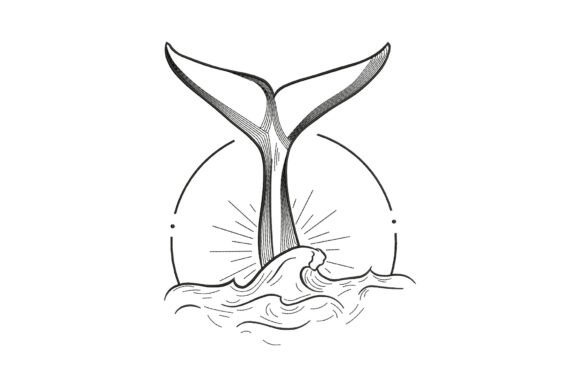
At its core, the Whale Tail Outline is a minimalist yet evocative representation of a cetacean’s fluke. Unlike complex, filled-in illustrations, an outline design relies on clean lines and negative space to convey shape and movement. This simplicity is its greatest strength. It offers a modern, understated elegance that fits seamlessly into contemporary design trends favoring subtlety over ornamentation.
The appeal of this design lies in its adaptability. Because it is primarily linear, it does not dominate the fabric. Instead, it adds texture and visual interest without overwhelming the underlying material. This makes it an excellent choice for projects where the fabric itself—such as linen, denim, or high-quality cotton—is a key component of the final aesthetic. The handcrafted feel provided by the stitch definition enhances the organic nature of the subject matter, creating a harmonious blend of technology and traditional craft.
Key Benefits for Home and Fashion Projects
When evaluating whether to incorporate the Whale Tail Outline into your workflow, consider the distinct advantages it offers across different mediums.
- Versatility in Application: The design scales well, making it suitable for small accents on clothing cuffs or larger statements on home decor items like throw pillows and tote bags.
- Efficiency: Outline designs typically require fewer stitches than filled motifs. This results in faster embroidery times and reduced thread consumption, which is beneficial for both personal projects and small-batch commercial production.
- Fabric Compatibility: With less density, there is a lower risk of fabric puckering or distortion. This makes the Whale Tail Outline ideal for lightweight or delicate fabrics that might struggle under heavier satin fills or complex column stitches.
- Modern Appeal: The clean lines resonate with current interior design and fashion trends, particularly those focused on coastal, nautical, or minimalist themes.
Technical Considerations and File Formats
One of the practical strengths of purchasing a professional-grade Whale Tail Outline design is the availability of multiple embroidery file formats. Compatibility is a critical factor in machine embroidery. A robust design package should include formats such as PES, DST, JEF, EXP, and HUS, ensuring usability across major brands like Brother, Janome, Bernina, and Husqvarna Viking.
However, having the correct file format is only the first step. Users must understand how their specific machine interprets the digitizing. Since this is an outline design, the stitch type—whether it is a simple running stitch, a bean stitch, or a narrow satin stitch—will dramatically affect the outcome.
Running stitches offer a sketch-like, artistic quality but may lack durability if subjected to frequent washing. Bean stitches (three-needle repeats) provide greater coverage and stability, making them a better choice for items that will see regular use. Before committing to a large project, it is advisable to test stitch the design on a scrap piece of your intended fabric to evaluate tension and stitch definition.
Ideal Use Cases for the Whale Tail Outline
To maximize the impact of this design, consider situations where its specific attributes shine. The Whale Tail Outline is a strong fit for:
- Coastal and Nautical Decor: Incorporate the design into cushion covers, table runners, or wall hangings to evoke a serene, seaside atmosphere without resorting to clichéd anchors or ships.
- Minimalist Fashion: Use small-scale versions on shirt pockets, collar tips, or hemlines of dresses. The subtle imagery adds a unique touch to ready-to-wear garments, elevating them to custom status.
- Eco-Friendly Brands: For businesses focusing on sustainability, the low thread usage and quick production time align with eco-conscious values. The natural subject matter also resonates with environmental awareness campaigns.
- Personalized Gifts: The design pairs well with monograms or names. Placing a whale tail above or below a name creates a balanced composition that feels personal and thoughtful.
When to Consider Alternatives
While the Whale Tail Outline is versatile, it is not the optimal choice for every scenario. Understanding its limitations helps prevent dissatisfaction with the final result.
If your goal is to create a bold, high-impact visual statement from a distance, a filled or shaded design may be more appropriate. Outline designs can appear faint or indistinct when viewed from afar, especially if the thread color closely matches the fabric. In such cases, a design with solid fills or varied textures would provide the necessary contrast and weight.
Additionally, if you are working with highly textured or looped fabrics, such as terry cloth or heavy knits, fine outline details may get lost in the pile. For these materials, a thicker, bolder digitizing style or an appliqué approach might yield clearer results. Always assess the interplay between the stitch density and the fabric texture before finalizing your design choice.
Making the Right Decision for Your Project
Selecting the right embroidery design involves balancing aesthetic preference with technical feasibility. When considering the Whale Tail Outline, ask yourself the following questions:
- What is the end use of the item? If it requires frequent washing, ensure the digitizing uses secure stitch types like bean stitches rather than single runs.
- Does the fabric support fine details? Test on similar materials to check for puckering or visibility issues.
- Does the design align with my brand or personal style? Ensure the minimalist nature of the outline complements rather than clashes with other design elements.
Ultimately, the Whale Tail Outline offers a refined way to add beauty and texture to your embroidery work. Its simplicity allows for creativity in placement and combination with other elements, making it a valuable asset for both home decorators and fashion designers. By understanding its technical requirements and ideal applications, you can leverage this design to create unique, handcrafted pieces that stand out for their elegance and precision.
For those ready to experiment, start with a small sample project. This low-risk approach allows you to familiarize yourself with the design’s behavior on your specific machine, ensuring that your larger creations meet your expectations for quality and durability. With the right preparation and an eye for detail, the Whale Tail Outline can become a staple in your embroidery library, offering endless possibilities for creative expression.