Wolf Pack Font: A Practical Guide to Using Bold Wildlife Typography in Design
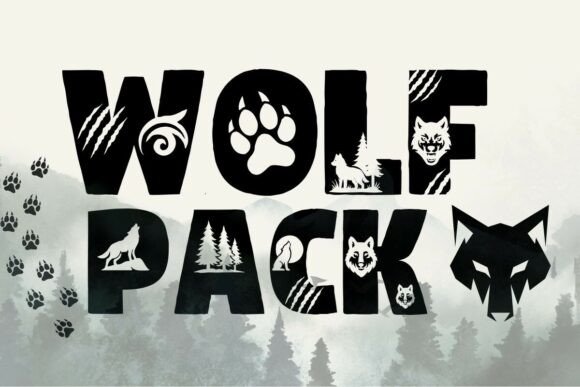
Typography serves as the visual voice of any design project, and for creators working within the outdoor, wildlife, or adventure niches, standard serif and sans-serif options often fail to capture the raw energy required. The Wolf Pack font emerges as a specialized solution in this space, offering a distinct aesthetic that merges legibility with thematic illustration. Unlike traditional typefaces that rely solely on stroke weight and curvature, this display font integrates wolf silhouettes, paw details, and rugged edges directly into the character structure. This article evaluates the practical applications, technical specifications, and design considerations of Wolf Pack to help designers, brand owners, and hobbyists determine if it aligns with their specific creative needs.
Understanding the Aesthetic and Design Philosophy
The core appeal of Wolf Pack lies in its ability to "unleash your inner wild" through visual storytelling. Each letter from A to Z and number from 0 to9 is not merely a symbol but a crafted illustration featuring animalistic elements. The design philosophy centers on capturing the untamed spirit of nature, making it immediately recognizable as a thematic asset rather than a generic text tool. For animal lovers and wildlife designers, this eliminates the need to source separate clipart or vector icons to complement standard text, as the typography itself carries the narrative weight.
However, it is crucial to understand that Wolf Pack is a display typeface, not a body text font. Its intricate details, including the rugged edges and embedded silhouettes, are designed for impact at larger sizes. When evaluated against minimalistic or corporate fonts, Wolf Pack offers high personality but lower neutrality. This tradeoff means it excels in headers, logos, and short phrases but may become visually overwhelming if used for long paragraphs or dense informational content.
Key Use Cases and Industry Applications
Identifying the right context for Wolf Pack is essential for maximizing its effectiveness. The font’s bold and fierce nature makes it particularly suitable for several specific industries and project types.
Apparel and Print-on-Demand Merchandise
One of the strongest applications for Wolf Pack is in T-shirt and hoodie designs. The outdoor and camping demographic often seeks apparel that reflects their connection to nature. When used in print-on-demand models, the font’s distinct silhouette style stands out on fabric, especially when paired with solid colors or distressed textures. Designers should note that the complexity of the wolf details requires high-resolution output to ensure the fine lines do not blur during printing. Vector-based scalability ensures that whether the design is small on a pocket or large across the back, the quality remains crisp.
Branding for Outdoor and Wildlife Businesses
For businesses such as guided tour operators, conservation groups, or outdoor gear retailers, branding must convey trust, strength, and authenticity. Wolf Pack can serve as a foundational element in logos where the company name is short and impactful. However, brands should consider pairing it with a simpler, clean sans-serif font for taglines or contact information to maintain readability. The font works well for banners and posters promoting adventure-themed events, where the goal is to evoke excitement and ruggedness quickly.
Digital Crafting and DIY Projects
The compatibility of Wolf Pack with cutting machines like Cricut and Silhouette opens up significant opportunities for hobbyists and small business owners. The font files are optimized for these platforms, allowing users to create vinyl decals, laser-cut wood signs, and themed décor. For children’s books or educational materials focused on wildlife, the font can be used for chapter headings or cover titles to engage young readers. The inclusion of paw details adds a playful yet fierce element that resonates with younger audiences while maintaining a cohesive theme.
Technical Specifications and Compatibility
From a technical standpoint, Wolf Pack is designed for ease of use across various operating systems and software environments. The package includes both OTF (OpenType Font) and TTF (TrueType Font) files, ensuring broad compatibility with Windows and Mac systems. This dual-format support is critical for professionals who may switch between different design ecosystems.
- Vector-Based Quality: The font is 100% vector-based, meaning it can be scaled infinitely without loss of quality. This is a significant advantage over raster-based images, which pixelate when enlarged.
- Software Integration: It is compatible with industry-standard tools such as Adobe Photoshop, Illustrator, Canva, and CorelDRAW. This versatility allows seamless integration into existing workflows, whether for digital graphics or physical product preparation.
- Character Set: The inclusion of capital letters A–Z and numbers 0–9 covers the basic requirements for most headlines and numerical data. However, users should verify if lowercase letters or special punctuation marks are needed for their specific projects, as display fonts sometimes limit character sets to maintain stylistic consistency.
Comparative Analysis: When to Choose Wolf Pack
When evaluating typography options, it is helpful to compare Wolf Pack against other categories of fonts to understand its unique position. Unlike script fonts that convey elegance or handwriting styles that suggest personal touch, Wolf Pack communicates strength and wilderness. It is not a substitute for neutral fonts like Helvetica or Arial, which are better suited for instructional text or corporate communications.
Compared to other thematic display fonts, Wolf Pack distinguishes itself through the integration of animal silhouettes within the letterforms. Some alternative wildlife fonts may simply add claw marks or rough textures to standard letters, but Wolf Pack embeds the imagery into the structure itself. This makes it more distinctive but also more restrictive in terms of layout flexibility. Designers must allow sufficient spacing between letters to prevent the detailed silhouettes from clashing, a consideration less critical with simpler typefaces.
Limitations and Considerations
While Wolf Pack offers strong visual impact, it has limitations. The intricate details may not reproduce well at very small sizes, such as on business cards or mobile app icons. Additionally, the aggressive aesthetic may not suit brands aiming for a soft, gentle, or luxury image. It is best reserved for projects where boldness and natural themes are central to the message. Users should also consider accessibility; the stylized nature of the letters may reduce readability for individuals with visual impairments, so it should never be used for essential informational text without a clear, plain-text alternative.
Making an Informed Decision
Choosing the right font involves balancing aesthetic goals with functional requirements. Wolf Pack is an excellent choice for creators who need to make a strong thematic statement quickly. It reduces the design time required to combine text and imagery, as the two are integrated. For outdoor brands, wildlife educators, and crafters, it provides a ready-made solution that resonates with target audiences.
However, if your project requires high legibility at small sizes, extensive punctuation, or a neutral tone, you may need to look for complementary fonts to pair with Wolf Pack or choose a different typeface entirely. The key is to use Wolf Pack strategically—as a headline, a logo element, or a decorative accent—rather than as a universal text solution. By understanding its strengths in vector scalability and thematic depth, along with its limitations in readability and versatility, designers can leverage Wolf Pack to create compelling, nature-inspired visuals that truly howl with personality.
Ultimately, the value of Wolf Pack lies in its specificity. It is not a general-purpose tool but a specialized instrument for those looking to capture the untamed energy of the wild in their designs. Whether for a laser-cut sign, a hiking club logo, or a children’s book cover, it offers a unique blend of artistry and utility that few other typefaces can match in this niche.