Evaluating the Colorful Folk Art Floral Chicken Embroidery Design for Textile Projects
In the realm of textile design and home decor, finding assets that balance traditional charm with modern aesthetic sensibilities can be challenging. The Colorful Folk Art Floral Chicken Embroidery Design emerges as a compelling option for creators seeking to inject warmth and character into their work. This piece is not merely a decorative motif; it represents a synthesis of rustic elegance and intricate artistry, making it a valuable resource for professionals and hobbyists alike. By examining its structural details, color theory application, and practical versatility, we can determine its true utility in various creative workflows.
Artistic Composition and Visual Appeal
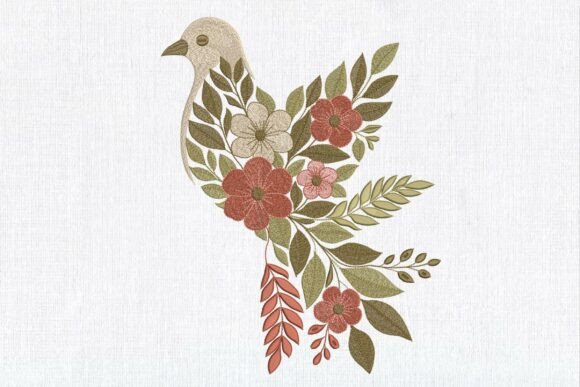
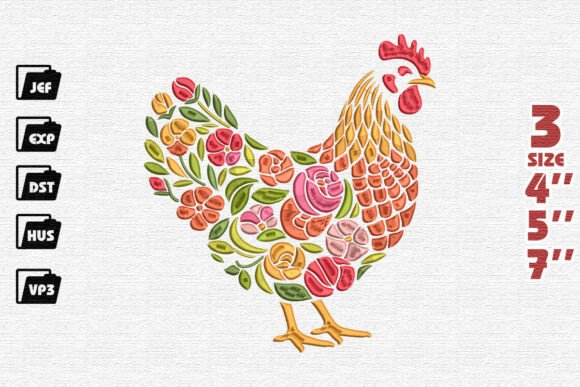
The core strength of this design lies in its sophisticated composition. At first glance, the subject is recognizable as a hen, yet the execution diverges from literal representation. Instead, the silhouette serves as a canvas for a rich tapestry of botanical elements. The body is intricately filled with flowers and leaves, creating a dense, textured appearance that mimics the hand-stitched quality of traditional folk art. This approach allows the design to function on two levels: as a clear figurative icon and as an abstract pattern of organic shapes.
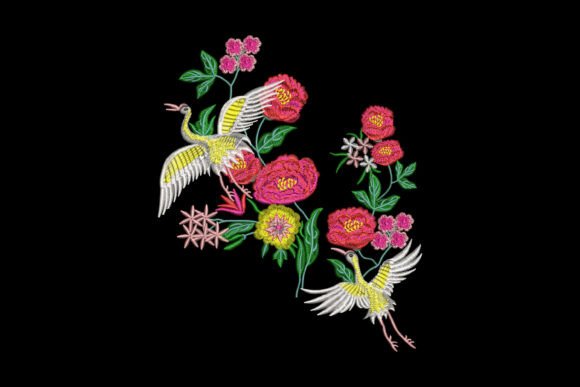
The color palette is deliberately warm and inviting, utilizing shades of red, pink, orange, and yellow for the blossoms, contrasted against varying tones of green foliage. This selection is crucial for its intended application in farmhouse-style decor, where warmth and hospitality are central themes. The neck and head feature a feather-like pattern rendered in a warm gradient, providing a subtle transition that prevents the design from appearing flat. This attention to detail ensures that the piece maintains visual interest even when viewed from a distance, a key consideration for items like tea towels or placemats.
Practical Applications in Home Decor and Fashion
For small business owners and independent creators, the versatility of the Colorful Folk Art Floral Chicken Embroidery Design is its most significant asset. Its adaptability spans multiple product categories, allowing for consistent branding across diverse offerings. In the context of kitchen decor, the design excels when applied to natural fabrics such as linen or cotton. Tea towels and aprons benefit from the rustic elegance of the motif, appealing to consumers who value artisanal quality in everyday items.
- Kitchen Textiles: Ideal for tea towels, oven mitts, and placemats, where the warm colors complement wooden surfaces and earthy tones.
- Soft Furnishings: Works effectively on cushion covers and throw pillows, adding a focal point to living spaces without overwhelming the room.
- Accessories: Suitable for tote bags and canvas shoppers, offering a unique alternative to generic graphic prints.
Beyond home decor, the design holds potential for fashion applications. When scaled appropriately, it can embellish denim jackets, blouses, or scarves. The folk art style resonates with current trends favoring heritage crafts and slow fashion, making it relevant for boutique clothing lines. However, creators must consider the complexity of the design when selecting production methods. For machine embroidery, high-density stitching may be required to capture the floral details, while screen printing might necessitate simplified vector versions to maintain clarity.
Technical Considerations and Usability
From a technical standpoint, the effectiveness of this design depends heavily on the medium of application. For digital users, such as web designers or print-on-demand sellers, the resolution and file format are critical. A high-quality version should allow for scaling without pixelation, ensuring that the intricate flower patterns remain distinct rather than blending into a muddy mass. For those working with physical embroidery machines, the digitization quality is paramount. Poorly digitized files can result in thread breaks or uneven tension, particularly in areas with dense floral clusters.
The design’s reliability also stems from its balanced contrast. The use of dark greens against bright florals ensures legibility on both light and medium-toned fabrics. However, caution is advised when applying it to dark backgrounds. Without proper underlay stitching or color adjustments, the vibrancy of the reds and yellows may diminish. Professionals should test samples on their intended fabric types to verify color fidelity and stitch integrity before committing to large production runs.
Target Audience and Market Fit
Who benefits most from integrating the Colorful Folk Art Floral Chicken Embroidery Design into their portfolio? Primarily, it suits educators and hobbyists looking for engaging projects that teach complex stitching techniques or color blending. The varied elements within the chicken’s silhouette provide excellent practice for satin stitches, fill stitches, and French knots. For marketers and bloggers in the home decor niche, this image serves as strong visual content that aligns with seasonal campaigns, particularly around spring, Easter, or harvest themes.
Small business owners specializing in handmade goods will find this design particularly useful for differentiating their products. In a saturated market, unique, high-quality artwork can justify premium pricing. The folk art aesthetic appeals to a demographic that values authenticity and craftsmanship, often willing to pay more for items that feel personally curated rather than mass-produced. Additionally, publishers and educators can use the design in instructional materials, illustrating concepts of pattern repetition, color theory, and cultural art styles.
Long-Term Value and Limitations
While the design offers substantial immediate appeal, its long-term value depends on trend resilience. Folk art motifs have enjoyed enduring popularity, suggesting that this piece will remain relevant beyond fleeting fads. However, creators should be mindful of overuse. As with any popular design element, saturation can occur if too many vendors adopt similar aesthetics. To maintain uniqueness, consider customizing the color scheme or combining the chicken motif with other complementary patterns.
A potential limitation is the level of detail, which may not translate well to very small applications. On items like keychains or small patches, the floral intricacies could become lost, reducing the impact of the design. In such cases, simplifying the element or choosing a bolder, less detailed variant might be more effective. Furthermore, the specific color palette, while warm and inviting, may not suit all brand identities. Cool-toned or minimalist brands might find the vibrant oranges and reds clashing with their existing visual language.
Final Recommendations for Implementation
To maximize the potential of the Colorful Folk Art Floral Chicken Embroidery Design, start by defining your target audience and product type. If you are producing high-end home textiles, invest in high-digitization-quality embroidery files and premium threads to match the design’s artistic merit. For print-on-demand services, ensure your mockups highlight the texture and depth of the artwork, helping customers visualize the final product.
Experiment with placement and scale. While centering the design is standard, off-center placements on tote bags or asymmetrical arrangements on aprons can create a more dynamic, modern look. Additionally, consider pairing the chicken motif with simple, clean typography to balance the ornate nature of the illustration. This combination can enhance readability and brand recognition without detracting from the artistic value.
In conclusion, this embroidery design stands out as a robust, versatile asset for creative professionals. Its blend of traditional folk art charm with detailed botanical elements offers both aesthetic appeal and practical functionality. By understanding its technical requirements and market fit, creators can leverage this design to produce high-quality, distinctive products that resonate with audiences seeking warmth, elegance, and artisanal quality in their everyday items.