Integrating the Outline Hibiscus Flower into Your Creative Workflow
In the world of digital embroidery and textile design, efficiency often hinges on the quality of your foundational assets. Whether you are a small business owner producing custom apparel, a hobbyist creating personalized gifts, or a professional designer managing large-scale production runs, the choice of design files significantly impacts your output. The Outline Hibiscus Flower represents more than just a decorative motif; it is a versatile tool that streamlines the production process while delivering high aesthetic value. By understanding how this specific design fits into broader creative workflows, you can enhance consistency, reduce machine downtime, and expand your product offerings with minimal friction.
The Strategic Value of Minimalist Design Assets
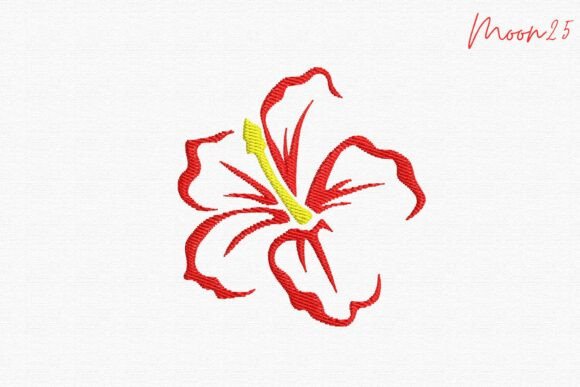
When planning a collection or a single project, designers often gravitate toward complex, dense patterns under the assumption that intricacy equals value. However, experienced creators know that simplicity often yields higher reliability and broader appeal. The Outline Hibiscus Flower, characterized by its graceful red outline and vibrant yellow stamen, serves as an ideal case study in functional minimalism. Its clean lines and smooth stitching requirements make it compatible with a wide range of fabrics and machine capabilities.
From a workflow perspective, minimalist designs like this hibiscus reduce the risk of thread breaks, needle deflections, and fabric puckering. This reliability is crucial during the execution phase of any project. When you integrate such a design into your library, you are not just adding a visual element; you are adding a low-risk, high-reward asset that can be deployed quickly across various mediums. This allows for faster prototyping and quicker turnaround times for client orders, which is essential for maintaining competitiveness in fast-paced markets.
Pre-Production: Selection and Compatibility Checks
Before loading any file into your embroidery machine, proper preparation ensures flawless results. The Outline Hibiscus Flower is professionally digitized to maintain precision, but successful implementation still requires attention to detail during the setup phase. Because this design features an open outline rather than a solid fill, it interacts differently with various stabilizers and fabrics compared to dense satin stitch designs.
- Fabric Selection: The open nature of the outline makes it suitable for lightweight materials such as cotton napkins, linen tote bags, and breathable summer clothing. It also adheres well to structured items like hats and cushions without causing excessive stiffness.
- Stabilizer Choice: For stretchy fabrics like jersey or knit beachwear, use a cut-away stabilizer to prevent distortion. For woven materials like canvas tote bags or home decor cushions, a tear-away stabilizer may suffice, provided the fabric is hooped tightly.
- Thread Quality: Since the design relies on visible lines, thread sheen and consistency are paramount. High-quality rayon or polyester threads will highlight the graceful curves of the red outline and the contrast of the yellow stamen.
Verifying these elements before starting the machine saves time and material costs. It transforms the embroidery process from a trial-and-error activity into a predictable, repeatable procedure.
Execution: Integrating the Design into Production Runs
Once the preparatory steps are complete, the actual stitching process benefits from the design’s optimized digitization. The Outline Hibiscus Flower is engineered to stitch beautifully on any embroidery machine, regardless of brand or model. This universality is a significant advantage for businesses that operate multiple machines or for freelancers who may switch between different setups.
During production, monitor the first few stitches to ensure tension balance. The transition between the red outline and the yellow stamen should be seamless, with no loose threads or jumps visible on the final product. Because the design is simple, it stitches out relatively quickly, allowing for higher throughput. This efficiency is particularly beneficial when fulfilling bulk orders for vacation wear or promotional items where speed and consistency are critical.
For those new to embroidery, this design serves as an excellent training tool. It allows beginners to practice hooping techniques and thread management without the pressure of correcting complex errors. For experienced embroiderers, it offers a reliable baseline for testing new threads or needles before committing to more intricate projects.
Post-Production: Application and Product Diversification
The true value of a versatile design asset becomes apparent in the post-production phase, where the embroidered item is finished, marketed, and sold. The tropical aesthetic of the Outline Hibiscus Flower opens doors to numerous market segments. Its island-inspired charm resonates with consumers looking for summer-ready accessories, travel gear, and home decor that evokes a sense of relaxation and exotic beauty.
Apparel and Accessories
Incorporating this design into clothing lines can refresh seasonal collections. Consider placing the hibiscus on the hem of sundresses, the pocket of linen shirts, or the brim of sun hats. The minimalist approach ensures that the embroidery complements the garment rather than overpowering it. For tote bags and beach accessories, the durable stitching holds up well against frequent use and washing, enhancing customer satisfaction and brand reputation.
Home Decor and Gifts
Beyond wearable items, the design translates effectively to home textiles. Embroidered napkins, cushion covers, and table runners featuring the hibiscus outline add a touch of elegance to dining spaces. These items are popular for housewarming gifts, wedding registries, and holiday decor. The timeless nature of the flower ensures that these products remain relevant beyond seasonal trends, supporting long-term inventory viability.
Optimizing File Management and Long-Term Use
To maximize the utility of the Outline Hibiscus Flower, organize your digital assets systematically. The design comes with multiple embroidery file formats, ensuring compatibility with various software platforms and machines. Store these files in a structured directory, labeled by size, format, and colorway. This organization reduces search time during busy production periods and prevents version control issues.
Additionally, consider creating variations of the base design. While the standard red and yellow combination is striking, experimenting with different thread colors can yield unique results for specific themes. For example, white-on-white embroidery creates a subtle, sophisticated look for formal linens, while neon colors might appeal to a younger, trend-focused demographic. By treating the design as a modular component, you can generate multiple product variants from a single asset, increasing your return on investment.
Quality Control and Consistency
Maintaining high standards is essential for building trust with clients and customers. Establish a quality control checklist that includes inspecting the tension of the outline, the placement of the stamen, and the overall cleanliness of the backside stitching. Because the Outline Hibiscus Flower is professionally digitized, deviations usually stem from machine maintenance or material issues rather than the design itself. Regularly cleaning your machine, replacing needles, and using fresh bobbins will help ensure that every stitch meets your quality benchmarks.
Documenting your settings for successful runs—such as hoop size, stabilizer type, and thread brands—creates a reference guide for future projects. This documentation supports scalability, allowing you to delegate tasks to team members or replicate success across different production batches.
Conclusion: A Timeless Asset for Modern Creators
The Outline Hibiscus Flower is more than a decorative pattern; it is a strategic resource for anyone involved in textile creation. Its blend of aesthetic appeal and technical reliability makes it suitable for a wide array of applications, from casual beachwear to elegant home decor. By integrating this design into your workflow with careful preparation, efficient execution, and thoughtful post-production planning, you can enhance your creative output and operational efficiency. Whether you are expanding your product line or refining your craft, this minimalist floral stitch offers a pathway to consistent, high-quality results that resonate with audiences seeking bright, exotic charm.