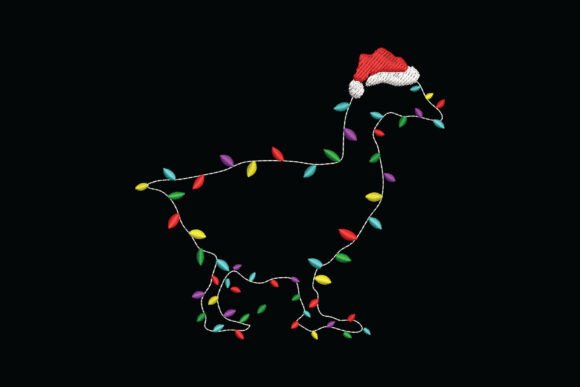
Lighting Duck Outline: A Playful Addition to Your Embroidery Projects
There is a specific kind of satisfaction that comes from watching an embroidery machine bring a digital file to life. The hum of the needle, the tension of the thread, and the gradual emergence of a design on fabric create a tangible connection between creativity and craft. For many makers, finding the right design is half the battle. It needs to be distinctive enough to stand out but simple enough to stitch cleanly without constant troubleshooting. This is where the Lighting Duck Outline steps in as a surprisingly versatile asset for your digital library.
This design is not just another cute animal motif. It represents a blend of whimsy and technical simplicity that appeals to both seasoned embroiderers and those just starting their journey with computerized machines. Whether you are looking to add personality to a child’s wardrobe or create eye-catching merchandise for a small business, understanding how to leverage this specific outline can elevate your output significantly.
Why Simplicity Often Wins in Machine Embroidery
When browsing through thousands of available designs, it is easy to get caught up in complex, multi-colored masterpieces. However, experienced creators know that complexity often brings complications. Dense stitching can lead to puckering, especially on lighter fabrics. Multiple color changes increase production time and the risk of thread breaks. The Lighting Duck Outline avoids these pitfalls by focusing on clean lines and open spaces.
The "outline" style means the design relies on the shape and contour rather than heavy fill stitches. This makes it incredibly forgiving. If you are working with a tricky fabric like silk or a stretchy jersey knit, a lightweight outline design is far less likely to distort the material. It sits on top of the fabric rather than pulling it tight. For users who value efficiency, this translates to faster completion times and higher success rates, allowing you to produce more items in less time.
Real-World Applications for Creators and Businesses
The versatility of this design shines when you consider where it can be applied. It is not limited to a single type of project. Here are several realistic scenarios where the Lighting Duck Outline adds value:
- Custom Apparel for Kids and Adults: Children’s clothing benefits immensely from playful motifs. A duck holding a lightbulb or surrounded by a glow effect is charming without being overly juvenile. For adults, placing this design on the pocket area of a denim jacket or the sleeve of a sweatshirt adds a subtle touch of humor and creativity.
- Tote Bags and Eco-Friendly Merchandise: Canvas tote bags are a staple for farmers' markets, book clubs, and everyday errands. An embroidered design lasts longer than printed ink, which can crack over time. The Lighting Duck Outline stitches quickly on canvas, making it ideal for small batches of merchandise for local shops or online stores.
- Educational Materials and Classroom Decor: Teachers and homeschooling parents often look for ways to make learning environments inviting. Embroidered patches featuring this design can be sewn onto reading nook cushions or used as rewards for students. The imagery of a "light" bulb often associates with ideas and learning, making it thematically appropriate for educational settings.
- Home Decor Accents: Consider using the design on kitchen towels, pillowcases, or wall hangings. The clean lines work well in modern, minimalist interiors where cluttered designs might feel out of place. It adds a focal point without overwhelming the space.
Technical Compatibility and Ease of Use
One of the most frustrating aspects of buying digital embroidery files is format incompatibility. You might have a Brother machine, while your friend has a Janome, and another client uses a Bernina. The Lighting Duck Outline addresses this common pain point by coming in multiple embroidery file formats. This inclusivity ensures that regardless of the brand or model of your machine, you can load the file directly without needing third-party conversion software, which can sometimes alter stitch density or pathing.
Furthermore, the design is optimized for standard hoop sizes. You do not need a large, industrial-sized hoop to accommodate it. A standard 4x4 or 5x7 inch hoop is usually sufficient, which is great news for hobbyists who may only own smaller machines. The stitch count is balanced to provide definition without unnecessary bulk, ensuring that even entry-level machines can handle the job without skipping stitches or tangling threads.
Who Benefits Most from This Design?
Different users will find different values in the Lighting Duck Outline. Understanding your own position helps you maximize its potential.
For the Small Business Owner: Time is money. A design that stitches out quickly allows you to fulfill orders faster. The unique nature of the duck motif helps differentiate your products from the sea of generic floral or monogram designs. It serves as a signature element that customers can recognize.
For the Hobbyist: The joy of crafting often lies in the process. A design that is easy to stitch reduces frustration. You spend less time fixing errors and more time enjoying the result. It is perfect for gift-giving, allowing you to create personalized items for friends and family without the stress of a high-stakes project.
For Educators and Parents: Durability matters. Items used by children need to withstand washing and wear. Embroidery is inherently more durable than print. This design offers a fun aesthetic that appeals to younger audiences while maintaining the structural integrity needed for daily use.
Considerations Before You Stitch
While the Lighting Duck Outline is designed to be user-friendly, there are still best practices to ensure optimal results. First, consider your thread choice. Since it is an outline design, the thread color will be highly visible. High-quality rayon or polyester threads will give a nice sheen that enhances the "lighting" aspect of the duck. Matte cotton threads can offer a more rustic, subdued look if that fits your aesthetic better.
Second, think about stabilization. Even though the design is light, proper stabilization is key to preventing puckering. For knit fabrics, use a cut-away stabilizer to support the stretch. For woven fabrics like cotton or canvas, a tear-away stabilizer is usually sufficient and easier to remove after stitching.
Finally, test stitch on a scrap piece of the same fabric before committing to your final project. This allows you to adjust tension and check the alignment. It is a small step that saves significant disappointment later.
Adding Personality to Everyday Items
In a world mass-produced goods, handmade items carry a weight of intention and care. The Lighting Duck Outline is more than just a pattern; it is a tool for expression. It allows you to inject humor, warmth, and creativity into everyday objects. Whether you are branding a business, decorating a home, or making a gift, this design offers a reliable and charming solution.
By choosing a design that balances aesthetic appeal with technical ease, you empower yourself to create more consistently. You reduce the barriers between idea and execution. So, load up your machine, select your favorite thread colors, and let the Lighting Duck Outline bring a bit of whimsical light to your next crafting project. The result is not just an embroidered item, but a reflection of your unique creative voice.