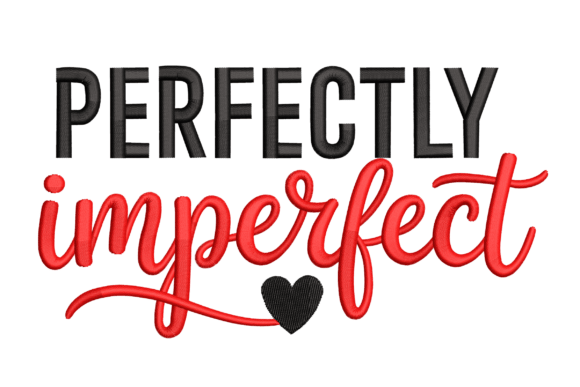
Perfectly Imperfect: A Modern Embroidery Design for Contemporary Textile Projects
In the evolving landscape of machine embroidery, aesthetic trends are shifting away from rigid symmetry toward designs that embrace organic flow and artistic irregularity. Perfectly Imperfect represents this modern approach, offering a stylized embroidery pattern designed to add a contemporary accent to various fabric surfaces. This design is characterized by its relaxed structure and trendy visual appeal, making it a versatile option for crafters looking to update their portfolio with fresh, eye-catching motifs.
For individuals researching digital embroidery assets, understanding the specific attributes of this design is crucial for determining its suitability for upcoming projects. Unlike traditional monograms or geometric patterns that require precise alignment, Perfectly Imperfect leverages intentional asymmetry to create a handcrafted feel. This article explores the practical applications, technical considerations, and strategic benefits of incorporating this design into your textile work.
Understanding the Design Aesthetic
The core appeal of Perfectly Imperfect lies in its ability to mimic the charm of hand-stitched art while utilizing the precision and speed of computerized embroidery machines. The design features fluid lines and a layout that avoids strict uniformity, resulting in a look that is both modern and approachable. This "trendy makeover" capability allows users to transform plain or outdated items into statement pieces without requiring advanced design skills.
When evaluating this design, it is important to recognize that its value is not just in the visual output but in its adaptability. The pattern is engineered to serve as an accent rather than an overwhelming centerpiece. This makes it particularly effective for items where subtlety and style need to coexist, such as casual wear or home decor accessories.
Practical Applications and Use Cases
One of the primary reasons crafters select Perfectly Imperfect is its versatility across different fabric types and project categories. The design scales well and maintains its integrity on various materials, provided the correct stabilizers and needles are used. Below are common scenarios where this design proves to be a strong fit:
- Customizing Apparel: The design works exceptionally well on t-shirts, hoodies, and denim jackets. Its modern aesthetic complements casual fashion trends, allowing for personalized garments that stand out in a crowded market.
- Home Textiles: Towels, napkins, and throw pillows benefit from the fresh accent this pattern provides. It adds a layer of sophistication to basic household items, making them suitable for gifting or personal use.
- Decorative Accents: For larger projects like tote bags or wall hangings, the design can be repeated or scaled to create a cohesive visual theme without appearing repetitive due to its organic nature.
These applications highlight the design’s role as a functional tool for adding value to simple textiles. By choosing a pattern that aligns with current interior and fashion trends, creators can ensure their finished products remain relevant and desirable.
Technical Compatibility and File Formats
A critical factor in selecting any digital embroidery asset is compatibility with existing hardware. Perfectly Imperfect is distributed with multiple embroidery file formats, ensuring it can be used with a wide range of machine brands and models. This multi-format support reduces the friction often associated with converting files, which can sometimes lead to data loss or stitching errors.
Users should verify that their specific machine model supports the provided formats, such as PES, DST, JEF, or EXP, depending on the manufacturer. While the design is optimized for standard home embroidery machines, those using industrial equipment may need to adjust density settings or hoop sizes to achieve the best results. The availability of multiple formats suggests that the designer has considered the diverse ecosystem of embroidery technology, aiming to provide a seamless user experience.
Evaluating Benefits and Tradeoffs
As with any creative resource, there are distinct advantages and limitations to consider when integrating Perfectly Imperfect into your workflow. Understanding these factors helps in setting realistic expectations and achieving high-quality outcomes.
Key Benefits
- Trend Alignment: The design captures the current preference for minimalist yet expressive aesthetics, helping projects feel contemporary.
- Ease of Use: The forgiving nature of the imperfect style means minor alignment issues during hooping are less noticeable than they would be with geometric designs.
- Versatility: Suitable for both beginners and experienced embroiderers, the design does not require complex color changes or advanced techniques to look professional.
Considerations and Limitations
While the design is robust, it may not be suitable for every context. For instance, projects requiring formal elegance or strict corporate branding might find the casual nature of Perfectly Imperfect too relaxed. Additionally, because the design relies on visual flow, it requires careful placement on the garment or item. Poor positioning can disrupt the intended aesthetic balance, so taking time to mark placement accurately is essential.
Another consideration is fabric choice. Highly textured or stretchy fabrics may distort the delicate lines of the embroidery if not properly stabilized. Users should conduct test stitches on scrap material to determine the optimal stabilizer type and tension settings before committing to the final piece.
Decision-Making Insights for Crafters
When deciding whether Perfectly Imperfect aligns with your goals, consider the end purpose of your project. If you are creating items for sale, this design offers a competitive edge by tapping into popular visual trends. Its ability to elevate simple blanks into premium-looking products can justify higher price points in handmade markets.
For hobbyists, the design provides an opportunity to experiment with modern styling without the steep learning curve associated with creating original digitized patterns from scratch. It serves as a reliable building block for developing a cohesive personal style or brand identity.
However, if your objective is to produce highly intricate, photorealistic, or traditional heritage-style embroidery, alternatives with denser stitch counts and more detailed shading may be more appropriate. Perfectly Imperfect is best viewed as a complementary element within a broader design strategy, rather than a standalone solution for all embroidery needs.
Final Thoughts on Integration
Incorporating Perfectly Imperfect into your repertoire involves more than just downloading a file; it requires an understanding of how modern aesthetics interact with traditional crafting techniques. By leveraging its flexible format and trendy appearance, you can enhance the visual appeal of t-shirts, towels, and decorative items effectively.
Ultimately, the success of this design depends on thoughtful execution. Pay attention to fabric preparation, hoop stability, and thread quality to ensure the final product reflects the intended modern charm. For those seeking to refresh their textile projects with a contemporary touch, this design offers a balanced blend of style, functionality, and ease of use, making it a worthy consideration for your next creative endeavor.